Electrical Testing Tools
Electrical Testers for Home Workshop: A Buyer's Guide
This guide covers tool categories for basic checking and measurement decisions. It helps you compare readings-focused tools and specifications before buying; it does not replace electrical safety procedures or qualified guidance.
Affiliate Disclosure: As an Amazon Associate, Vopace earns from qualifying purchases. This page may contain affiliate links.
Guide, Not Instruction: This page helps you choose tools. It does not teach electrical work, wiring, solar installation, or repair procedures. Always read the manufacturer's manual and hire a qualified electrician for any electrical work.

Non-branded tester outlines
Compare tester categories before comparing models
Multimeters, non-contact voltage testers, outlet testers, clamp meters, and work lights solve different buying needs. This guide compares feature differences and use-case categories only.
Common starter testers
For a home workshop or small maintenance kit, common buying categories include a digital multimeter, a non-contact voltage tester, and a compact work light. Compare safety ratings, display clarity, lead quality, and storage needs before ordering.
#1
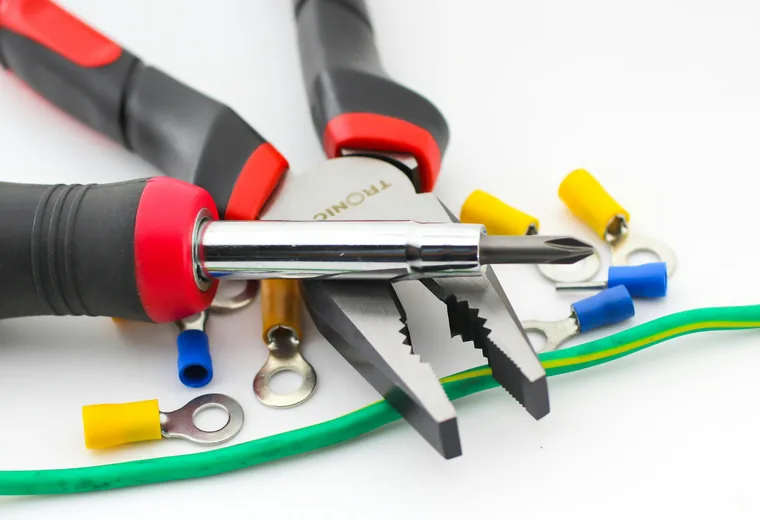
Most useful first tester
Digital Multimeter
A multimeter is a flexible starter tool for comparing readings and specifications across workshop and maintenance scenarios. Focus on a readable screen, durable leads, probe protection, and safety ratings that fit your environment.
#2
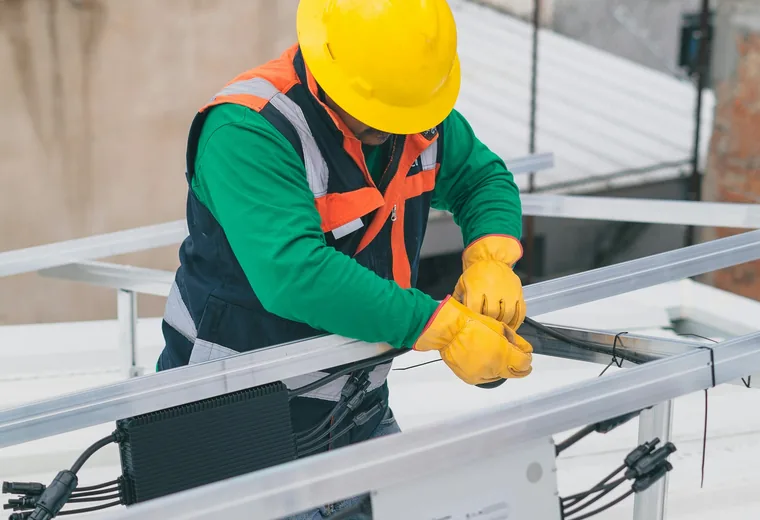
Screening tool
Non-Contact Voltage Tester
A non-contact tester is a screening tool, not proof of safety. Compare sensitivity settings, audible alerts, flashlight features, battery type, and listed voltage range before buying.
#3
Simple indicator
Outlet Tester
Outlet testers are simple, low-cost indicator tools for buyer-use scenarios where easy-to-read lights matter. Interpreting wiring conditions should be left to a qualified electrician.
#4
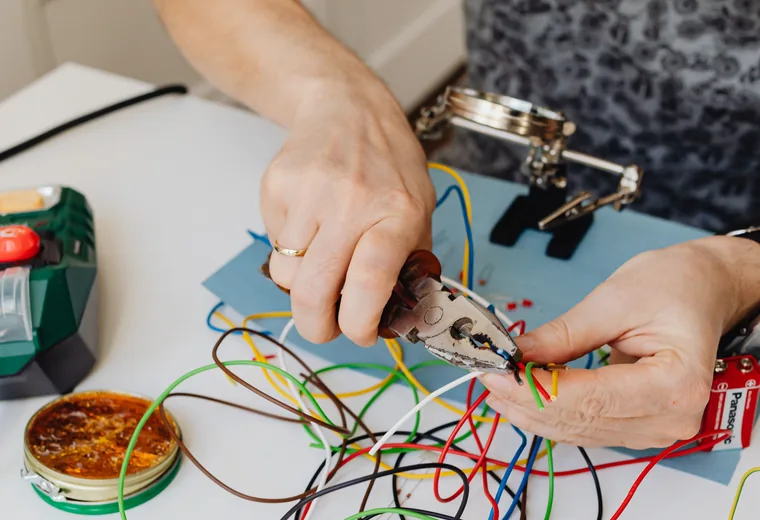
Workshop support
Clamp Meter and Work Light
Clamp meters and compact work lights can support workshop checks, but they do not make electrical work safe. Compare jaw size, display readability, magnetic mounts, charging type, and case durability.
Testing tool comparison
Safety boundary
This page is a buying guide, not a safety procedure. Do not use a tool beyond its rating. If the system involves solar arrays, batteries, service equipment, commercial equipment, or unfamiliar wiring, stop and use a qualified person.
Safety Note: The tools listed here are for measurement, preparation, organization, and basic checking. They do not make a circuit safe to work on. If you are unsure about voltage, grounding, breaker panels, batteries, or system complexity, stop and call a licensed electrician.