Solar Cable Prep Tools
Solar Cable Prep Tools: A Practical Buying Checklist for Small Kits
Small solar cable prep kits need practical tool categories for measuring, cable preparation, labeling, storage, and basic workshop organization. This page helps you compare what to buy; it does not teach electrical project work.
Affiliate Disclosure: As an Amazon Associate, Vopace earns from qualifying purchases. This page may contain affiliate links.
Guide, Not Instruction: This page helps you choose tools. It does not teach electrical work, wiring, project setup, or repair procedures. Always read the manufacturer's manual and hire a qualified electrician for any electrical work.

Small kit buying map
A compact prep kit is a set of categories, not a task sequence
The visual groups measuring, cable prep, crimping, labels, safety accessories, and storage as buying categories. It does not represent a work procedure.
Start with the core buying categories
Most small solar cable prep kits start with measuring tools, cable preparation tools, labels, safety accessories, and a compact tool bag. These Amazon searches help you compare common tool types before choosing a specific model.
#1
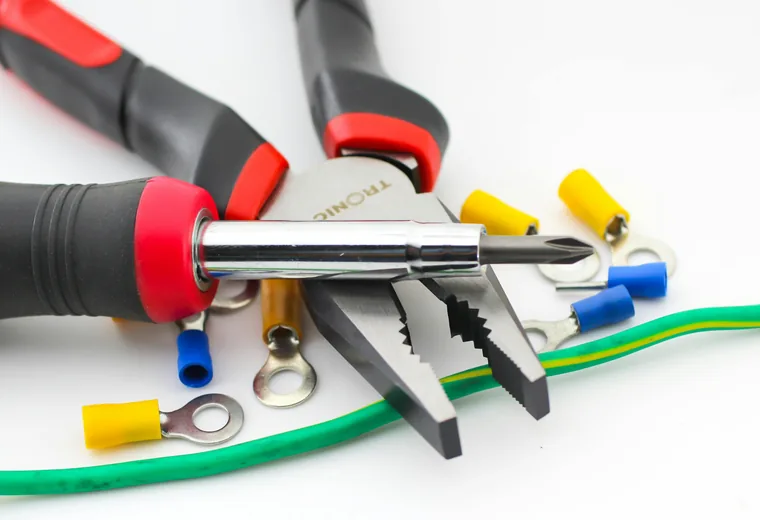
First measuring tool
Digital Multimeter
A multimeter can display readings, but interpreting electrical conditions should be left to a qualified electrician. Buyers should compare display readability, lead quality, safety ratings, and included accessories.
- Useful across workshop and maintenance kits
- Specs and ratings are easy to compare before buying
- Requires manual reading and safe procedures
- Does not make equipment safe to work on
#2
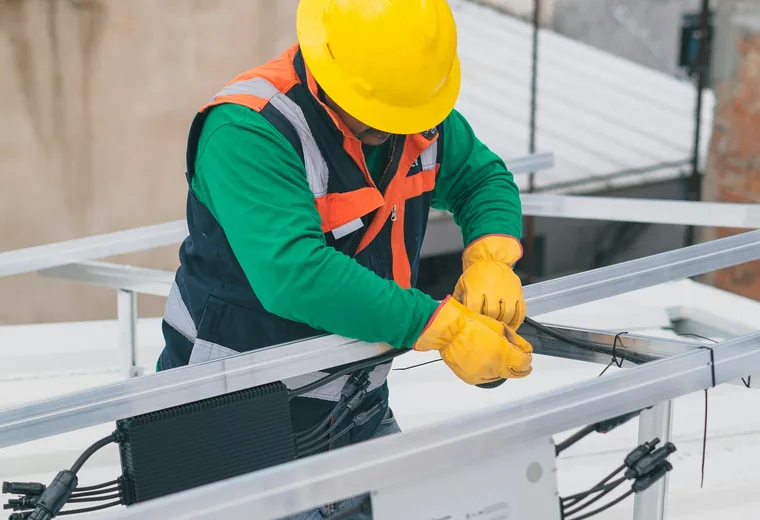
Cable prep
Wire Stripper
A wire stripper should be selected by supported wire gauge range, blade adjustment, grip comfort, and insulation compatibility. Compare the tool's listed capacity before buying.
- Clear buying use case for cable prep kits
- Available in adjustable and automatic formats
- Must match cable size
- Manufacturer instructions still govern use
#3
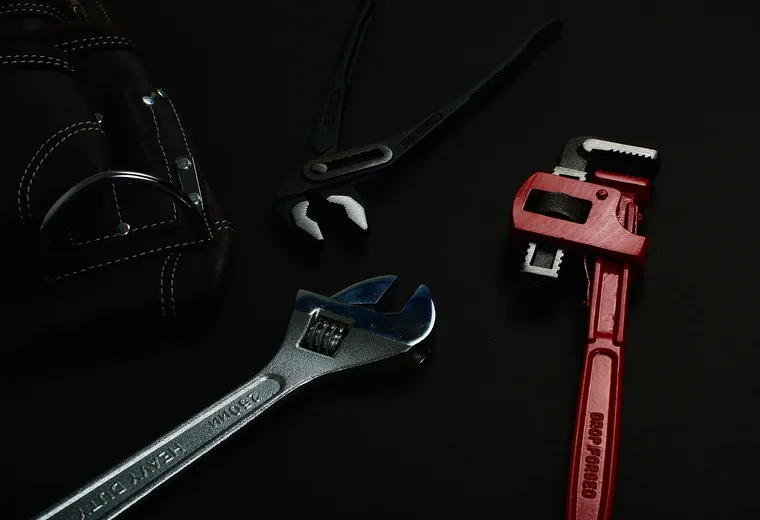
Connector-compatible tools
Crimping Tool
Crimping tools are commonly sold by connector type, die size, wire range, and kit contents. Compare compatibility and included accessories before buying; do not treat a tool listing as project guidance.
- Important category for cable prep kits
- Kits can simplify storage
- Wrong die size creates poor fit
- Compatibility varies by connector brand
#4
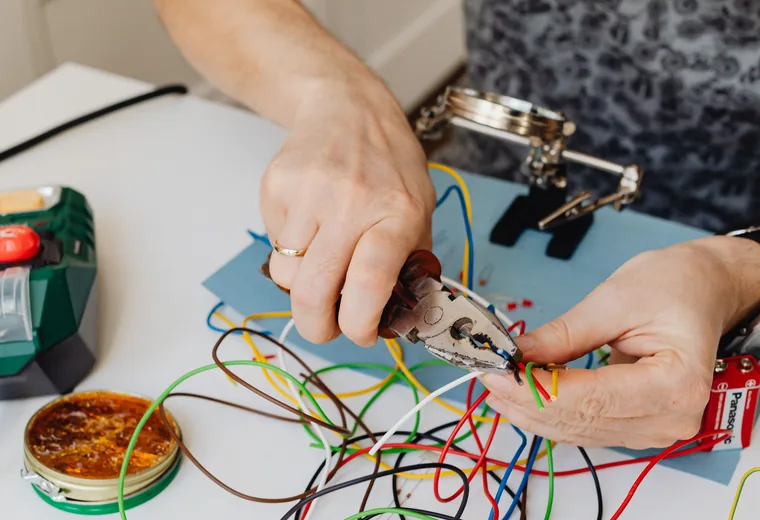
Organization
Tool Bag and Cable Labels
A small tool bag keeps meters, cutters, labels, gloves, and markers together. Cable labels and wire markers are buying decisions based on material, size, printer compatibility, and storage needs.
Small solar cable prep kit comparison
Tool typeBuying use casePriorityAmazon
Before buying
Match tools to the cable size, connector family, voltage environment, storage needs, and local safety requirements. This page is not wiring instructions. When a project involves roof work, batteries, grid-tied systems, or unfamiliar electrical equipment, use a qualified professional.
Safety Note: The tools listed here are for measurement, preparation, organization, and basic checking. They do not make a circuit safe to work on. If you are unsure about voltage, grounding, breaker panels, batteries, or system complexity, stop and call a licensed electrician.